
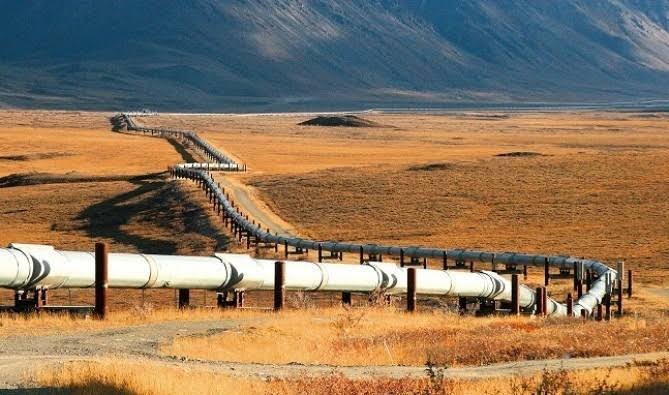
In a bold move to strengthen Nigeria’s position in the global energy market, Vice President Kashim Shettima has announced plans for a $25 billion undersea gas pipeline that will transport natural gas from Nigeria to Europe through Morocco.
During a high-level energy forum in Abuja, Shettima described the project as a historic investment that will not only enhance Nigeria’s export capacity but also deepen regional cooperation and economic integration. The pipeline, which will span thousands of kilometers, is set to pass through several West African countries before reaching Morocco, where it will connect to existing European gas infrastructure.
The Vice President revealed that the government is currently engaging with international investors, including sovereign wealth funds, multinational oil companies, and global financial institutions, to secure funding for the massive project. He added that technical studies and preliminary groundwork are already well underway.
Nigeria, home to Africa’s largest proven gas reserves and the ninth-largest globally, is seizing this opportunity to offer an alternative energy supply to Europe amid ongoing disruptions in the global gas market. The pipeline is expected to significantly increase Nigeria’s foreign exchange earnings and reduce its heavy reliance on crude oil exports by monetizing its gas assets.
Shettima also emphasized that the project aligns with Nigeria’s energy transition goals. By focusing on natural gas—considered a cleaner fossil fuel—the country aims to strike a balance between economic growth and environmental sustainability. The project is anticipated to generate thousands of jobs, improve regional energy access, and boost industrial development along its route.
Construction is expected to commence once final investment agreements are reached. The execution will be carried out in phases, starting from Nigeria and Morocco, and extending across participating transit nations.
The announcement has been widely welcomed by stakeholders and experts, who view the initiative as a transformative step for Nigeria and the West African subregion. With its successful implementation, Nigeria could become a key energy bridge between Africa and Europe.


