
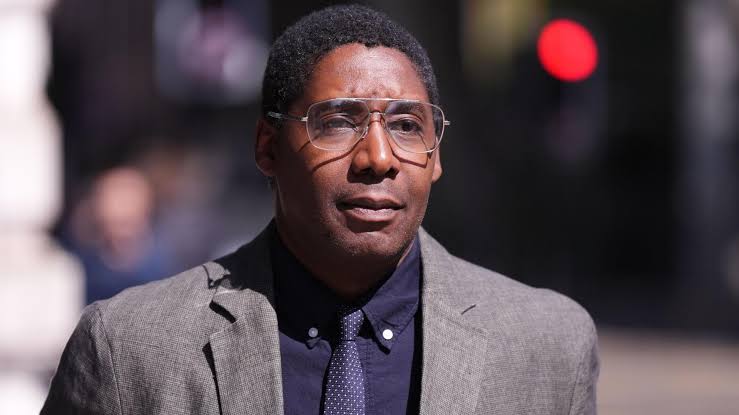
A well-known British-Nigerian art expert, Ogeneochuko Ojiri, has been sentenced to two and a half years in prison in the UK after being convicted of failing to report suspicious art sales linked to terrorism financing. The transactions, which totaled over £140,000, were reportedly connected to a buyer accused of ties to Hezbollah, a recognized terrorist organization by the UK government.
Ojiri, once featured on BBC’s Antiques Road Trip, allegedly ignored repeated warnings from UK authorities about the suspicious nature of the transactions. Investigators found that he facilitated purchases and cross-border art movements for a client already under scrutiny by the National Crime Agency. Prosecutors argued that his silence and cooperation with the buyer effectively enabled illegal financial activities to continue unchecked.
Though the court found no direct evidence of Ojiri being a sympathizer of Hezbollah, the judge emphasized that his refusal to alert law enforcement violated strict UK anti-money laundering laws. His conviction sends a strong message about the responsibility of professionals in the art and finance sectors to monitor and report irregular financial behavior.
The case is seen as a landmark reminder of how luxury markets like art dealing can become unwitting tools in global terror financing—and the severe consequences for those who turn a blind eye.


