
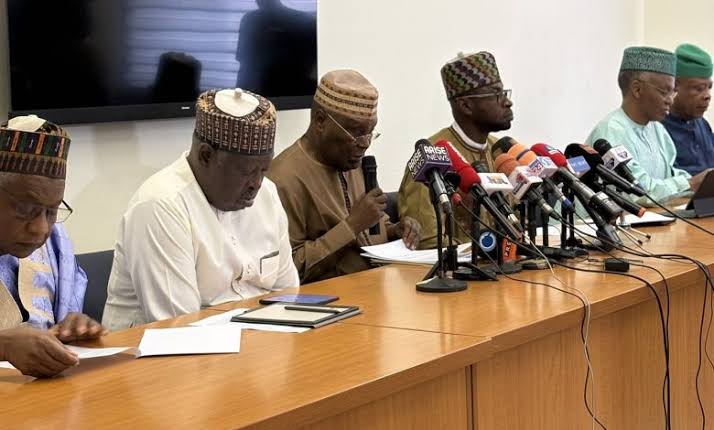
Nigeria’s opposition parties are moving towards forming a powerful coalition aimed at challenging President Bola Tinubu’s administration in the 2027 general elections. Key political figures, including former Vice President Atiku Abubakar, Peter Obi of the Labour Party, and Nasir El-Rufai of the Social Democratic Party, have begun coordinating efforts to unite various opposition groups under one umbrella. This mega-coalition also involves defectors from the ruling APC, alongside members of the PDP, SDP, NNPP, and civil society organizations, signaling a broad-based alliance that crosses party lines and regional divides.
The coalition’s formation was officially set in motion earlier this year, with a national summit held in May 2025 and plans for a formal launch expected by July. Discussions are still ongoing regarding whether the coalition will adopt an existing party platform or establish a new political vehicle altogether. However, these negotiations face challenges, including leadership ambitions, zoning disputes between the North and South, and uncertainties around Atiku Abubakar’s potential presidential bid in 2027. These factors have caused hesitation, particularly among southern political stakeholders.
Peter Obi has voiced cautious optimism, stressing that the coalition should focus on repositioning Nigeria for progress rather than merely seeking power. Despite this, analysts warn that internal rivalries and disagreements over leadership could weaken the coalition’s unity and effectiveness. Some voices within Nigeria’s online communities express skepticism about the coalition’s viability, noting past failures due to opposition fragmentation and warning that the alliance may struggle to gain traction if leadership conflicts persist.
If successfully realized, this coalition could replicate the success of the APC’s merger in 2013 and present a formidable challenge to the ruling party in 2027. The coalition’s future will largely depend on how well its members manage internal tensions, agree on governance principles, and present a united front to Nigerian voters. The months ahead will be critical in shaping this alliance’s strength and its potential impact on the country’s political landscape.


